
 Scribe
 Speech Recognition
 Document Workflow
 Connect
 eClinic Manager
 Clinical
 Health Systems Leaders
 Digital/ IT
 Operations
 We've acquired BigHand Healthcare
 Proven Success
 Blogs
Blogs Knowledge Centre
 Careers
 AI Fellowship Programme
4 min read
- by Ben Jeeves, CCIO & CSO at T-Pro
There are some opportunities that quietly change the direction of your career, and ultimately, your life.
Not always in a dramatic, obvious way at the time. Although it can sometimes be like that. Sometimes it is a role you thought you wouldn’t get. Sometimes it is a conversation that has long-term implications (Martyn Perry). Sometimes it's a rapid response to a LinkedIn message asking for help to prep for the Associate CCIO interview you have (Christopher Tack). Sometimes it’s advice in a conversation you would have never had if you hadn’t applied for the Digital Health networks advisory panel (Dr Lia Ali (Ashlin)). Sometimes it is a single comment from someone who sees something in you before you have fully seen it in yourself.
When I look back, I can see the people who created opportunities.
Because opportunity is rarely an isolated event is it? It is the thing that unlocks the next thing. It gives you access to a new place, a change to your network, a different way of thinking, a new level of confidence, or simply the belief that you might have something more meaningful to contribute.
That is probably why hosting three Clinical Fellow programmes (two through T-Pro, two through the NHS Fellowship in Clinical AI programme and one through the Royal College of Surgeons in Ireland (RCSI), why stop at one programme hey!) feels so significant and incredibly humbling.
My time in industry so far has shifted how I think about clinical leadership, AI, safety, implementation, governance & regulation, and the role clinicians HAVE to play in shaping this agenda. It has opened doors, introduced me to people I would never otherwise have met (people are awesome so this is one of the big things for me, if you have read this far, go meet people!), and fundamentally continued to fuel the passion!
IIt is about what those posts might make possible, not only for the people in them, but perhaps more importantly, the people impacted by them. Their colleagues, the clinical users of the solutions and the patients.
Because this is about much more than hosting two fellows. It is about creating opportunity.
It is about giving clinicians protected space to work in clinical AI, not just as observers, but as active contributors to the hard, messy, important, and real-world work of getting this stuff out there. Impact.
That is where the learning really happens, in the doing.
To focus on the NHS AI programme, one of the things that stood out from the recruitment cycle was just how much appetite there is for this kind of opportunity. The programme reported an extremely high competition ratio of 17 applications to one post. I thought it was a good idea, but to see the impact, i'm just really pleased for the opportunities this presents.
What has stood out is appreciating the volume of clinicians out there who want to help shape the future of clinical AI. But not everyone has access to funded roles, local digital opportunities, or organisations able to create that space.
II think that is why fellowship programmes like this are so important. Being able to offer the programme has meant clinicians in all NHS regions now have the opportunity of a fellowship in clinical AI.
Furthermore the partnership has removed the professional registration barrier to be eligible for the programme that was present in some areas. If you are outside London, Kent, surrey & Sussex, or Scotland and a trainee dentist, or member of the The Health and Care Professions Council , The Nursing and Midwifery Council , General Pharmaceutical Council (GPhC), General Optical Council or the General Dental Council our partnership gave the opportunity to apply.
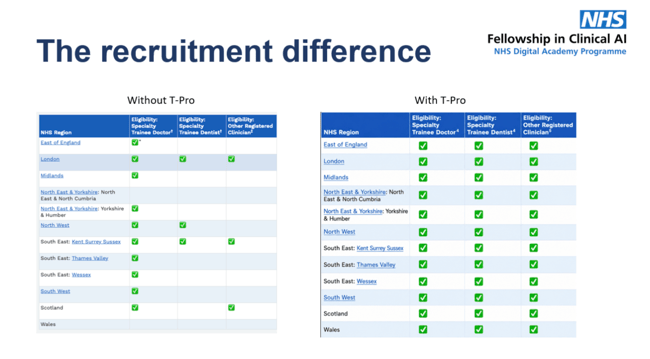
Image 1. Infographic showing the opportunity before and after the partnership programme
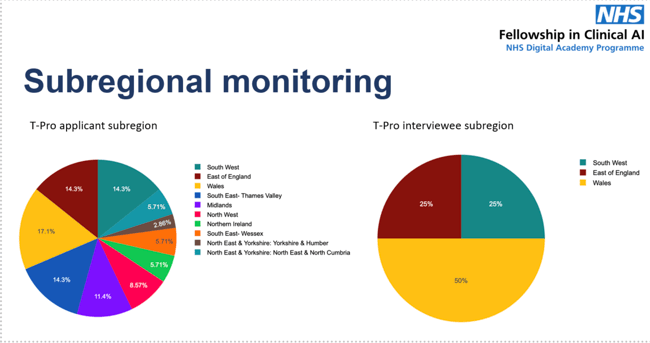
Image 2. Applicant geography and regional spread.
Image 2 shows where applicants came from and demonstrates the impact of the partnership. Two areas were not represented this time, but without the partnership, many of the professional groups above, outside the already funded regions, would not have had the opportunity to apply. The two NHS AI fellows joining us this year are from the south west and the east of England, areas that did not have funding.
They create the next generation of clinical AI leaders. Not people who just understand AI in theory, but people who understand the reality of putting it into practice. People who have sat between clinical teams, technical teams, governance teams, operational teams and patients, and help translate good ideas into safe, useful change.
Clinical AI is not just a data science problem. It is a clinical leadership problem. It is a safety problem. It is a workflow problem. It is a culture problem. It is an implementation problem.
And if we are serious about getting it right, long term, clinicians need to experience the whole lifecycle: problem definition, design, validation, regulation, safety, implementation, adoption, monitoring, improvement and governance.
For me personally, this is also a chance to give something back.
I have been incredibly fortunate. I have had people show me doors, share their time, trust me with opportunities, and help me find my way into this space. I have had the benefit of learning from some brilliant people across the NHS, industry, academia and policy.
Being able to help create even a small part of that opportunity for others is something I do not take lightly.
At T-Pro, we talk a lot about clinical AI being built with clinicians, not simply for clinicians. Hosting two Clinical AI Fellows is part of that commitment. It brings external clinical thinking into our work. It challenges us. It keeps us honest. And it strengthens the connection between product development, clinical safety, implementation and the realities of care delivery.
II am really proud that T-Pro is able to support this. But more than anything, I feel privileged.
Because the future of clinical AI will not be defined by technology alone. It will be shaped by the clinicians who understand how to implement it safely, question it properly, evaluate it honestly, and keep it focused on improving care.
If we can play even a small part in supporting those clinicians, then that is something worth being proud of.